|
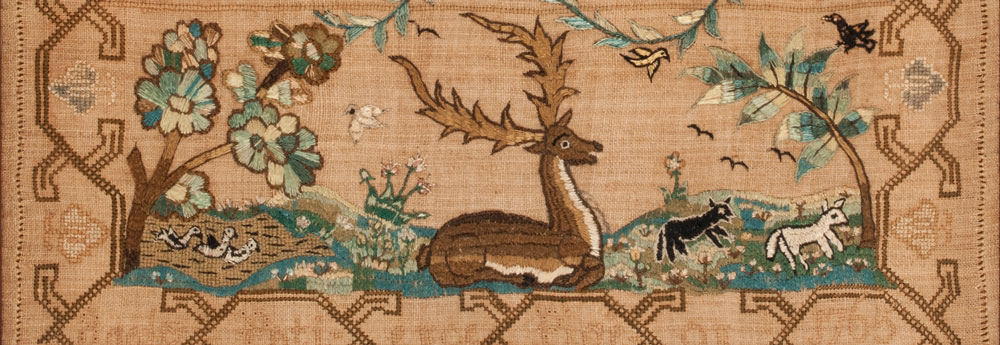
Antique samplers were predominantly stitched by young girls in private schools, in the 200 year period between
1650-1850.
The Huber's large inventory emphasizes the finest American and English antique samplers, silk embroideries and
related textiles.
They have, and continue to assemble, the best collections of antique samplers and needlework in America. They routinely
advise major museums, historical societies and private collectors, and are consulted by the leading auction houses.
They welcome inquiries from beginning collectors to the most advanced for either purchasing or selling.
Explanation of the above categories.
Sampler or Antique Sampler: Usually these terms refer to early needlework accomplishments stitched, or wrought
by young students in schools with silk thread on a linen background. They can run the gamut in quality, complexity,
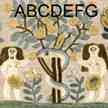
and price. The first attempt at making a sampler by a young girl, or far less frequently a young boy, was usually
a very simple sampler with only alphabets, numbers, name, date, and sometimes a small amount of decorative stitching.
These are commonly referred to as marking samplers. As the students became more capable, the complexity of the
sampler usually increased accordingly. At the very top are some masterpieces sporting a wide variety of difficult
stitches and subtle color changes intricately and graphically executed to create a needlework sampler that was
framed, proudly displayed and cherished. Now those same samplers are highly sought after and cherished by knowledgeable
antique needlework collectors.
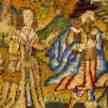
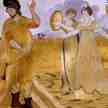
Silk Embroidered Pictures: We use this term to refer to early needlework that was embroidered with silk
or chenille thread on a silk (not linen, canvas, or cotton) background. Often the silk background not covered with
embroidery is painted with watercolors. These were popular c1780 to c1840 and were extremely expensive and difficult
to execute. They often depicted classic biblical stories, mythological stories, popular stories of the times, or
memorial themes. The faces were often painted by well-known artists of the period, some are known today although
many are yet to be identified. In general, privileged young girls attending the finest schools were responsible
for these exquisite silk embroidered pictures. We consider this type of needlework to be the highest quality needlework
art of the period.
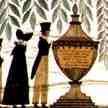
Memorials: Although memorials were usually a form of "silk embroidered pictures" they deserve
a category to themselves. A memorial needlework picture was one of the expected accomplishments of a young cultured
girl c1780 to c1840. These typically show a tomb, mourning figures, and weeping willow trees. They are beautiful,
sensitive, and graceful works of needlework art that are highly sought after by the top collectors of antique samplers
and needlework. Contrary to popular belief, the stitchers of these memorials were not necessarily in mourning over
the loss of a loved one but merely creating a popular form of needlework. If they had no one close enough to them
to memorialize, they may dedicate their memorial to a well known figure or inscribe the tomb "sacred to friendship"
or simply leave it blank.
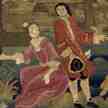
Canvaswork pictures: This category refers to a well known group of needlework pictures or needlepoint pictures,
executed in "tent" stitch, predominately made in the mid 18th century in Philadelphia, Connecticut, Rhode
Island, the Boston area, and in England. They often depict a shepherd and shepherdess or a hunt scene with a pastoral
background. They vary in size from about 4" x 6" to massive and impressive works of art referred to as
"over mantles" that can be 2 feet high and 5 feet wide. This type of needlework folk art is some of the
most highly prized and aggressively collected antique needlework on the market today.
English 17th century samplers and related needlework: We are using this category to present 17th century
needlework, usually from England, and other types of needlework or beadwork that doesn't conveniently fall into
any of the other categories. Stumpwork is a term commonly used today to refer to early raised or padded needlework
that was popular in the mid 17th century.
STEPHEN & CAROL HUBER
860) 388-6809 or email: Hubers@AntiqueSamplers.com
We buy and sell antique needlework
needlework embroidery needlework embroidery needlework
embroidery needlework embroidery needlework embroidery needlework embroidery
|